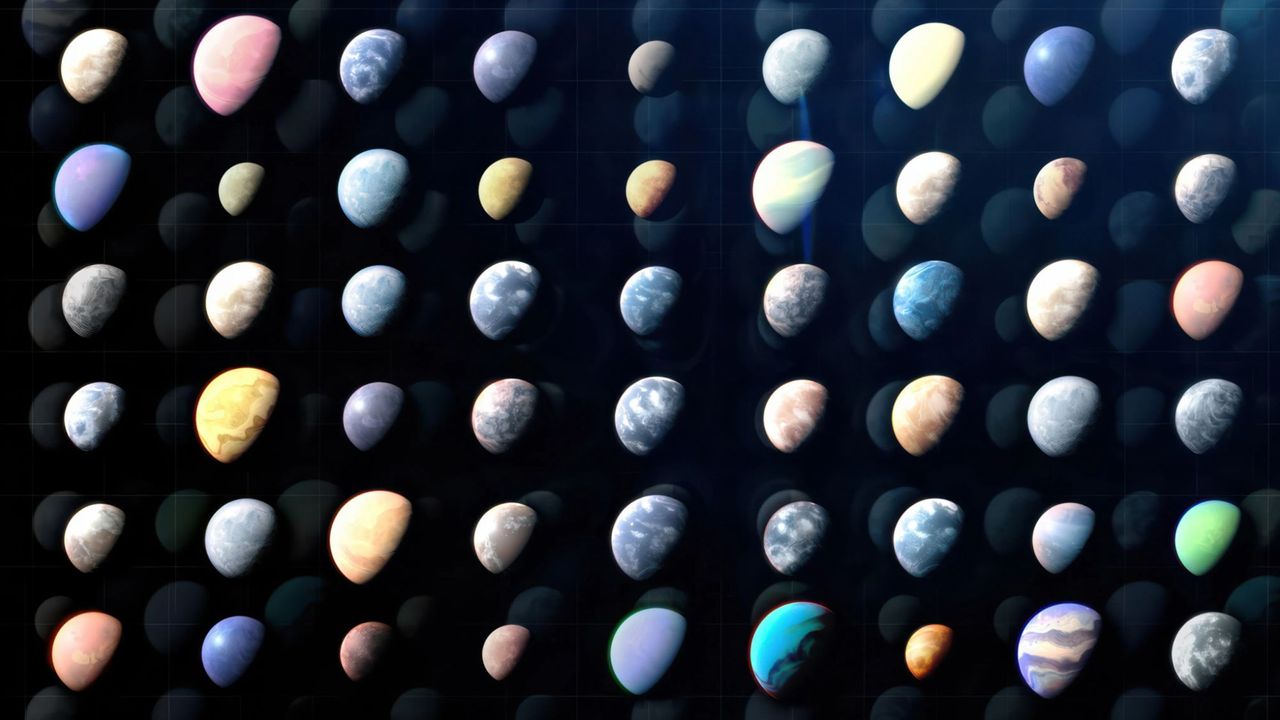
NASA's newly launched Roman Space Telescope will 'directly' image exoplanets. But what does that mean?
"When you look up at the night sky, most of those stars have planets."
Space.com
Published by CurrentWire · First coverage
Compiled by CurrentWire News Desk
Summary based on reporting from Space.com.
Automated coverage analysis
Generated automatically from the coverage listed on this page. CurrentWire adds no editorial claims.
From the CurrentWire archive
- APOD: 2026 August 31 – Launch of the Roman Space Telescope
- NASA's Roman Space Telescope will reveal the universe in a way the JWST and Hubble cannot
- NASA's Roman Space Telescope is just one of a few missions named after real-life women
- What's next for Roman Space Telescope? Here's how NASA's flagship observatory will open up the universe
Coverage
1 publication is covering this story.
How CurrentWire compiled this story
Space.com (www.space.com), a Tier B publisher, filed this report on . CurrentWire published this page 30 minutes later, on .
Signal breakdown
CurrentWire ranked this story 68.7 of 100 in the snapshot this page was rendered from.
- Freshness
- 30.7 of 35
- Source authority
- 14 of 20
- Coverage breadth
- 4 of 20
- Geographic relevance
- 10 of 10
- Story prominence
- 10 of 10
- Velocity
- 0 of 5
Strongest signal: geographic relevance, 10 of 10. How each signal is calculated.
Filed under Science · United States · News. Topics extracted from this report, with other live CurrentWire stories mentioning each: NASA (7), Roman Space Telescope (none).
CurrentWire is a news discovery platform. This page summarizes and links to original reporting; full articles, imagery and copyright remain with the publishers listed above.